

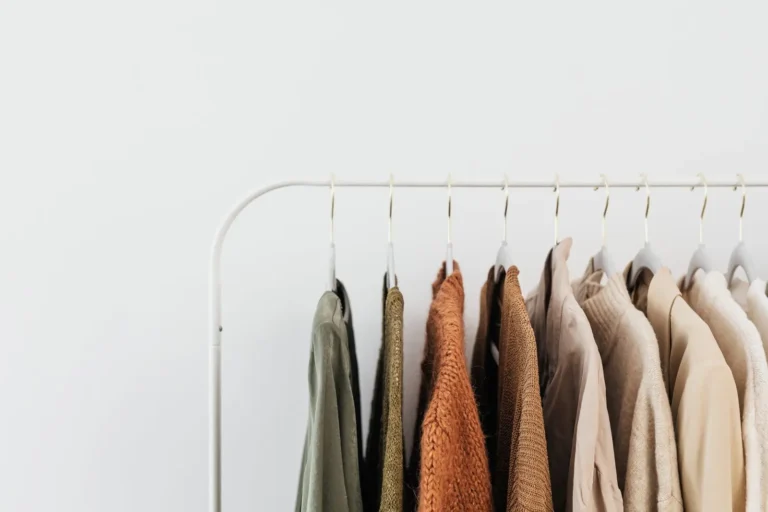
You know the feeling: a full closet, a pile of clothes on the bed and still nothing to wear. A capsule wardrobe fixes that by making sure most of what you own works together. It does not mean owning 30 beige things or never shopping again. It just means every piece earns its spot because it goes with several others.
Here is a simple method that works for most closets. It starts with what you already have, so you can build a working capsule this weekend without buying anything.
What a capsule wardrobe actually is
A capsule is a small group of clothes that mix and match freely. The classic number you’ll see is about 30 to 40 pieces per season, including shoes, but the number matters much less than the rule behind it: each item should work with at least three others.
That rule is what turns 30 pieces into 60 or more outfits. A printed top that only goes with one skirt is a costume. A striped tee that works with jeans, trousers, a midi skirt and under a blazer is a capsule piece.
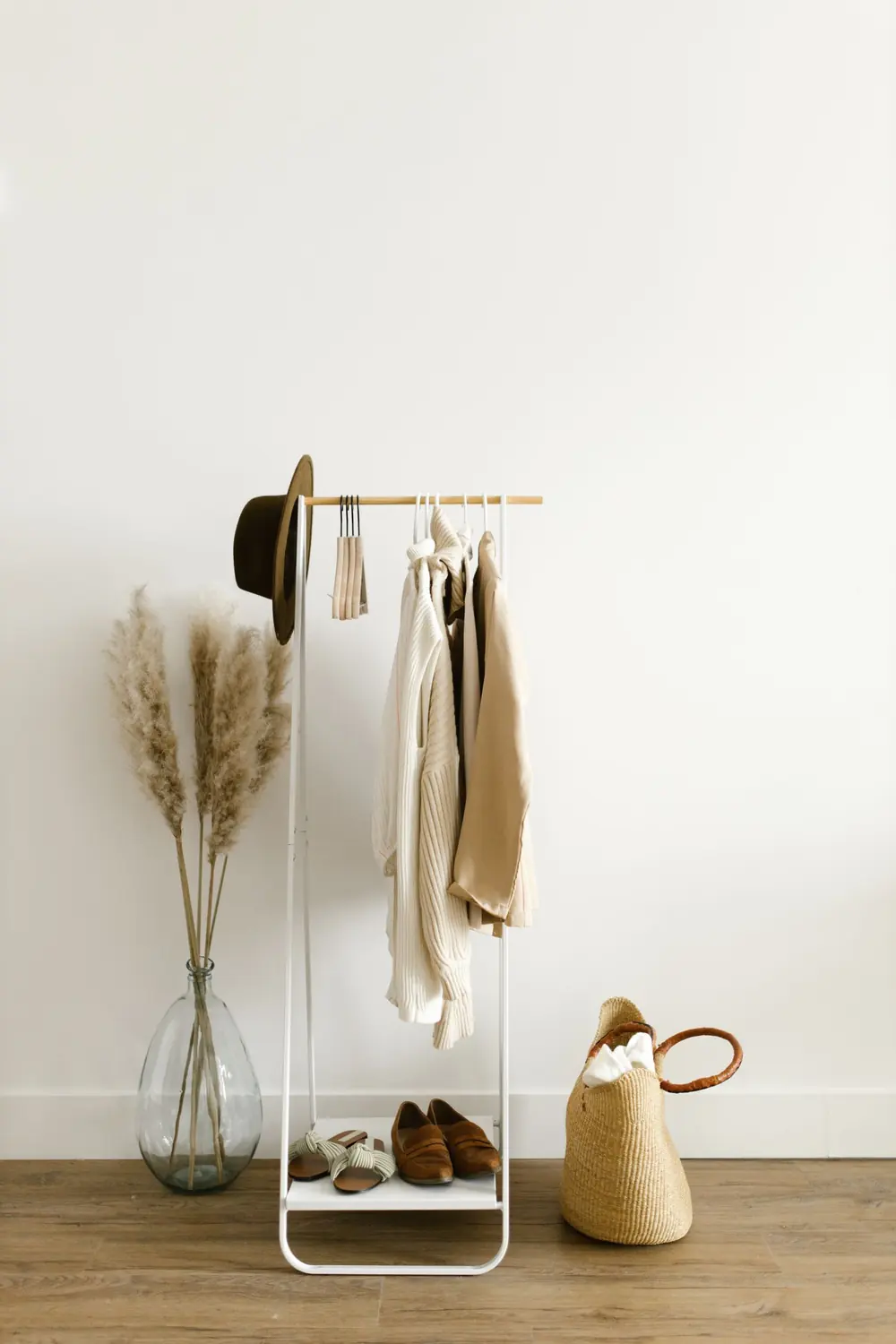
Step 1: Start with your real week, not a Pinterest board
Before you touch a hanger, write down what an average week looks like for you. Be honest. If you work from home four days and go to the office one day, your capsule should be mostly comfortable everyday clothes with a couple of polished pieces, not the other way around.
A quick way to do it:
- List the places you go most (office, school run, gym, dinners out, church, travel).
- Give each a rough percentage of your week.
- Note any dress codes, weather extremes or things like long days on your feet.
This step stops the most common capsule mistake: building a lovely wardrobe for a life you don’t live.
Step 2: Choose a palette of two neutrals and one or two accents
Colour is what makes mixing easy. Pick:
- Two base neutrals you look good in, such as navy and grey, black and white, or olive and cream.
- One or two accent colours you love wearing near your face, such as raspberry, cobalt, sage or rust.
Everything in your capsule should be a base neutral, an accent, or a print that combines them. That’s it. You can still own other colours; they just live outside the capsule for now.

Step 3: Pull your core pieces from the closet you already have
Now go through your closet with your week and palette in mind. Pull out pieces that fit you well today, are in your colours and that you actually reach for. A good starting mix for most women looks something like this:
| Category | Roughly how many | Examples |
|---|---|---|
| Tops | 8 to 10 | tees, a silky blouse, a button-down, two knits |
| Bottoms | 4 to 5 | dark jeans, a lighter jean, tailored trousers, a skirt |
| Dresses | 1 to 3 | a knit dress, a dress you can dress up |
| Layers | 3 to 4 | a blazer, a cardigan, a denim or utility jacket |
| Outerwear | 1 to 2 | a coat for your climate |
| Shoes | 4 to 5 | sneakers, flats or loafers, ankle boots, one dressier pair |
Don’t force the numbers. If you live in jeans, five pairs of trousers make no sense. The table is a sanity check, not a rule.
Step 4: Test outfits before you decide what’s missing
This is the step most people skip, and it’s the most useful one. Lay out or try on combinations and take a quick phone photo of each one you would genuinely wear. Aim for at least 15.
As you go, you’ll notice patterns:
- One pair of trousers shows up in half the outfits. That’s a workhorse; consider a second.
- A top never works with anything. Move it out of the capsule.
- Every outfit needs a third piece to feel finished. That usually means you’re short on layers.
Your photos become an outfit menu for busy mornings, which is half the point.
Step 5: Fill only the gaps the outfit test revealed
Now you shop, but only for what the test proved you need. Common gaps are a neutral layer (a blazer or long cardigan), one pair of shoes that bridge casual and dressy, and a plain top in your accent colour.
Before buying anything, ask: does this go with at least three things I already own? If you can’t name them, leave it in the store.

A sample 20-piece starter capsule
If you want a concrete starting point, here is a simple year-round base in navy, white and grey with a raspberry accent:
- Tops: white tee, navy striped tee, grey crewneck knit, raspberry knit, white button-down, silky navy blouse
- Bottoms: dark straight jeans, grey tailored trousers, navy midi skirt, light-wash jeans
- Dresses: navy knit midi dress
- Layers: navy blazer, grey long cardigan, denim jacket
- Outerwear: navy or camel coat
- Shoes: white sneakers, black loafers, ankle boots, nude block heels, flat sandals
From these 20 pieces you can make well over 50 outfits, from a Monday meeting (trousers, blouse, blazer, loafers) to a weekend market (jeans, striped tee, denim jacket, sneakers).
How to keep it working season to season
You don’t need to rebuild from scratch every few months. Keep about two-thirds of your capsule all year and swap the rest: linen and sandals in summer, heavier knits and boots in winter. Store the off-season pieces together so you can see what you have when the weather turns.
Every few months, repeat the outfit test with whatever you’ve added. If a new piece hasn’t been worn, it’s telling you something.
Where to go next
If you like the idea but want help putting combinations together, try the Outfit Formula Builder, which gives you mix-and-match formulas based on the pieces you choose. Not sure which style direction to build around? Boho vs classic vs minimalist walks through the differences. And for real-life examples, I’ve collected capsule wardrobe ideas from eight style bloggers who show their own closets.
Like this? Get more outfit ideas and dating tips by email.